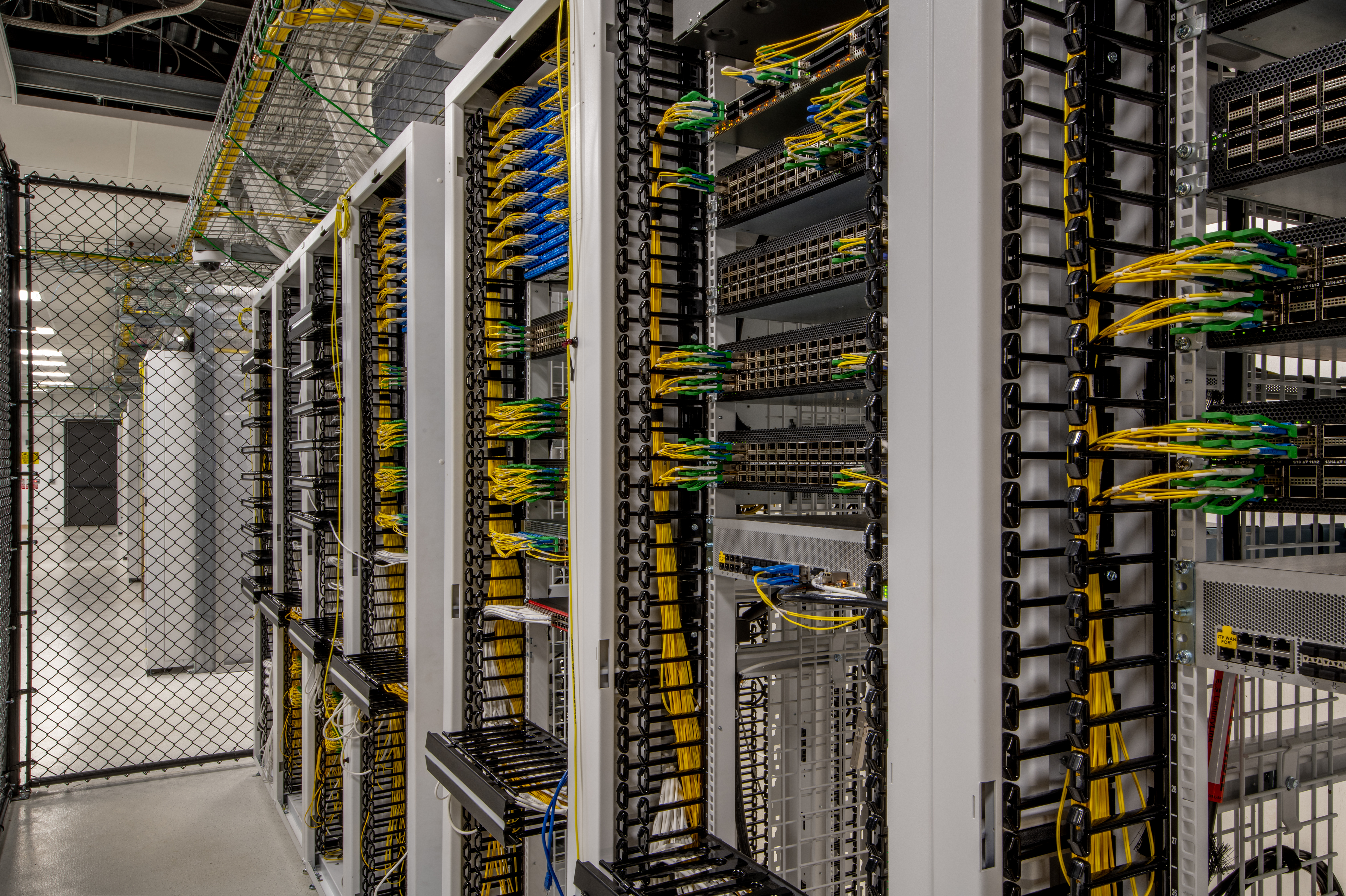
Become a Data Center Technician
Data centers are the fastest growing construction and operations sector in North Texas. Critical facility work blends electrical, mechanical and IT skills, and much of the trade comes from the skilled trades rather than college.
The numbers
$73,340 / year
BLS reports this occupation as an annual wage
About 50,500 openings per year across computer support specialist roles
Includes growth plus workers retiring or leaving the field
2% growth for network support specialists, 2024–2034
BLS projects overall computer support employment to decline 3%, with openings driven by workers leaving the field. Critical-facility and data center roles are a growing niche inside that broader category, and many of them are filled by electricians and mechanical techs rather than IT staff.
High school diploma plus certifications; an associate degree helps for IT-side roles
No license required for technician roles; electrical and mechanical work inside the facility does require trade licensing.
Starting out
There are two ways in. The IT path starts on the floor racking and cabling hardware. The critical-facility path starts as an electrical or mechanical apprentice and moves into the data center because that is where the highest-paid, most reliable work is.
Computer user support specialists, a common entry role, median $60,340
Top of the trade
Telecommunications employers paid a median of $78,710
Based on the national wage distribution for computer network support specialists (closest bls category).
Source occupation: Computer network support specialists (closest BLS category). Wage figures are U.S. Bureau of Labor Statistics Occupational Outlook Handbook national data for May 2024. Job-opening and growth figures are BLS projections for 2024–2034. Pay in the Dallas–Fort Worth market varies by employer, union agreement and overtime.
The career path
Each step is a real milestone with a pay change attached to it. Nobody skips steps — but almost nobody takes longer than this either.
- 1
Data center technician I
Months 0–18Entry wage for support roles
Rack and stack servers, run structured cabling, swap drives, handle tickets on a shift rotation.
- 2
Data center technician II / critical facilities tech
Years 2–4Approaching the $73,340 network-support median
Monitor power and cooling, respond to alarms, perform method-of-procedure work on live systems.
- 3
Critical facilities engineer
Years 4–8Above median, with shift differentials
Own UPS, generator and chilled water systems; write and execute MOPs; escort vendors.
- 4
Facilities manager or commissioning specialist
8+ yearsTop of the range
Run a site, or commission new capacity for owners and general contractors.
A normal day on the job
- Walk the floor and check power, temperature and humidity readings
- Rack, cable and decommission hardware to a work order
- Respond to alarms and escalate per runbook
- Execute maintenance procedures on redundant systems without dropping load
- Escort and supervise vendors in secure space
- Document every change precisely — auditability is the job
- Hand off open issues at shift change
What you need to get in
- At least 18 years old
- High school diploma or GED
- Clean background check — sites are secure and clearance screening is strict
- Willing to work nights, weekends or on-call shift rotations
- Able to lift server hardware and work on ladders in loud, cold rooms
- Extremely careful process discipline; one mistake can take a customer offline
Licenses & certifications
In the trades, credentials are what move your pay. Here is the order most people collect them in.
CompTIA A+ / Network+
EntryCompTIA
The standard entry certifications for the IT side of the floor.
OSHA 10 / OSHA 30
First monthsOSHA-authorized trainers
Required for construction and live-facility work.
NFPA 70E arc-flash training
Year 1+NFPA / employer programs
Mandatory before you work near energized electrical equipment.
Data center facility certifications
Years 2–5Industry bodies such as BICSI and DCPro
Cabling (BICSI) and critical-facility operations credentials that owners recognize.
Electrical or HVAC trade license
Alternative routeState licensing board
A journeyman license plus data center experience is one of the most valuable combinations in the market.
Licensing rules change and vary by state and city. Confirm current requirements with the licensing board or apprenticeship sponsor before you plan around them.
Specializations
You do not have to pick on day one, but knowing the branches helps you aim. The narrower specialties usually pay the most.
Critical power
UPS, switchgear, generators and load banks.
Critical cooling
CRAC/CRAH units, chilled water and containment.
Structured cabling
Fiber and copper infrastructure, testing and documentation.
Hardware operations
Server, storage and network hardware lifecycle.
Commissioning
Testing new capacity to design intent before handover.
Your step-by-step action plan
Start at step one this week. You do not need money or a degree to begin — you need a safety card, a ride, and a list of employers to call.
- 1
Decide which door you are walking through
IT side: certifications and a floor tech job. Facility side: an electrical or mechanical apprenticeship first.
- 2
Get CompTIA A+ if you take the IT route
It is self-study affordable and it is what recruiters filter on for technician I roles.
- 3
Get OSHA 10 and NFPA 70E awareness training
Safety credentials are non-negotiable in critical facilities.
- 4
Apply to data center and electrical employers on BlueBoard
DFW has a heavy concentration of data center construction and operations employers hiring technicians and apprentices.
- 5
Learn to read one-line electrical and mechanical flow diagrams
Understanding redundancy (N+1, 2N) is what separates a tech from an engineer.
- 6
Volunteer for the on-call rotation early
Alarm response is where you learn the systems fastest, and shift pay adds up.
- 7
Add a trade license or facility certification by year five
The combination of hands-on trade licensing and data center experience is the most bankable resume in the region.
