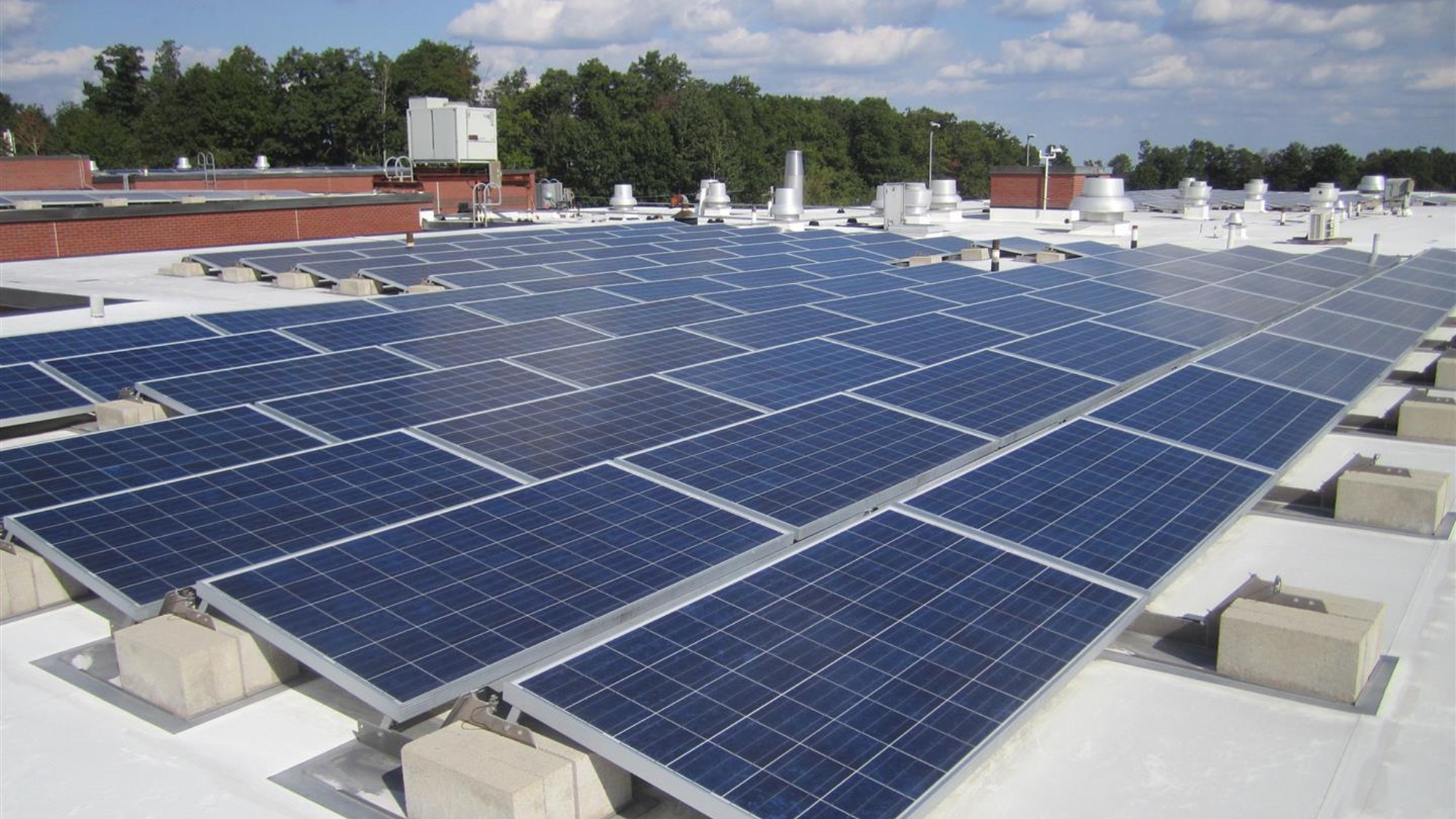
Become a Solar and Energy Technician
Solar installers and energy-efficiency techs build and retrofit the systems that cut buildings’ power bills. It has the fastest projected growth of any trade on this list.
The numbers
$51,860 / year
$24.93 / hour
About 4,100 openings per year nationally
Includes growth plus workers retiring or leaving the field
42% growth, 2024–2034
Much faster than the average for all occupations — the highest growth rate of the trades on BlueBoard
High school diploma plus moderate-term on-the-job training
No dedicated license; electrical work on the system side requires an electrician license, and NABCEP certification is the industry standard.
Starting out
Installer roles are among the most accessible trade jobs to get hired into with no experience. Pay climbs fastest if you add electrical licensing or NABCEP certification, since installers who can also do the electrical tie-in are far more valuable. Note the occupation is small — high growth, but fewer total openings than electrical or HVAC.
Lowest 10% earn under $39,070
Top of the trade
Top 10% earn over $80,150
Based on the national wage distribution for solar photovoltaic installers.
Source occupation: Solar photovoltaic installers. Wage figures are U.S. Bureau of Labor Statistics Occupational Outlook Handbook national data for May 2024. Job-opening and growth figures are BLS projections for 2024–2034. Pay in the Dallas–Fort Worth market varies by employer, union agreement and overtime.
The career path
Each step is a real milestone with a pay change attached to it. Nobody skips steps — but almost nobody takes longer than this either.
- 1
Installer / roof crew
Months 0–12Entry wage
Mount racking, set panels, run conduit and manage material on residential or commercial roofs.
- 2
Lead installer
Years 1–3Around the median of $51,860
Run a small crew, handle layout, quality and customer interaction on site.
- 3
Electrical / commissioning tech
Years 3–5Above median, especially with an electrical license
Inverter and storage tie-ins, testing, and utility interconnection paperwork.
- 4
Project supervisor, energy auditor or business owner
5+ yearsTop of the range — the top 10% clear $80,150
Manage installations, perform commercial energy audits, or start your own installation company.
A normal day on the job
- Lay out and mount racking and flashing to roof structure
- Set and wire modules in series strings
- Run conduit and pull DC and AC circuits
- Mount and terminate inverters and disconnects
- Test string voltage and verify system output
- Complete inspection and interconnection paperwork
- Follow fall-protection procedures every single time
What you need to get in
- At least 18 years old
- High school diploma or GED preferred
- Comfortable working on roofs and at height in Texas heat
- Valid driver license
- Basic electrical understanding — series, parallel, voltage, current
- Drug screen and background check are standard
Licenses & certifications
In the trades, credentials are what move your pay. Here is the order most people collect them in.
OSHA 10 plus fall-protection training
Day oneOSHA-authorized trainers
Rooftop work makes fall protection the single most important credential you carry.
NABCEP PV Associate
Year 1North American Board of Certified Energy Practitioners
Entry-level knowledge credential; achievable while you are still an installer.
NABCEP PV Installation Professional
Years 2–4NABCEP
The premier certification in the industry; requires documented installation experience.
Electrician apprentice / journeyman license
Parallel trackState licensing board (TDLR in Texas)
The highest-leverage addition to a solar resume — it lets you do the electrical scope, not just the racking.
Energy auditing certification
OptionalBPI or similar
Opens efficiency retrofit and commercial audit work.
Licensing rules change and vary by state and city. Confirm current requirements with the licensing board or apprenticeship sponsor before you plan around them.
Specializations
You do not have to pick on day one, but knowing the branches helps you aim. The narrower specialties usually pay the most.
Residential PV
Rooftop arrays on homes; highest volume of entry jobs.
Commercial and utility scale
Large ground-mount and rooftop arrays; more equipment, more schedule pressure.
Battery storage
Backup and load-shifting systems; growing fast alongside PV.
Energy efficiency retrofits
Lighting, controls and envelope work that cuts consumption.
Commissioning and O&M
Testing, monitoring and maintaining installed systems.
Your step-by-step action plan
Start at step one this week. You do not need money or a degree to begin — you need a safety card, a ride, and a list of employers to call.
- 1
Get fall protection and OSHA 10 first
No reputable solar company puts an untrained person on a roof.
- 2
Hire on with an installation crew
This is one of the easiest trades to enter with zero experience; you learn by doing.
- 3
Study for the NABCEP PV Associate exam
It is affordable, self-study friendly, and separates you from the rest of the crew in year one.
- 4
Search energy and electrical employers on BlueBoard
Energy-efficiency and electrical contractors in DFW hire installers and helpers for solar and retrofit work.
- 5
Start an electrical apprenticeship in parallel if you can
Solar plus an electrical license is the strongest, most recession-resistant combination in this field.
- 6
Learn battery storage
Storage attaches to more and more projects and very few installers are trained on it.
- 7
Aim for lead installer, then commissioning
Leads and commissioning techs work fewer roofs and earn more per hour.