Become a Sheet Metal Worker
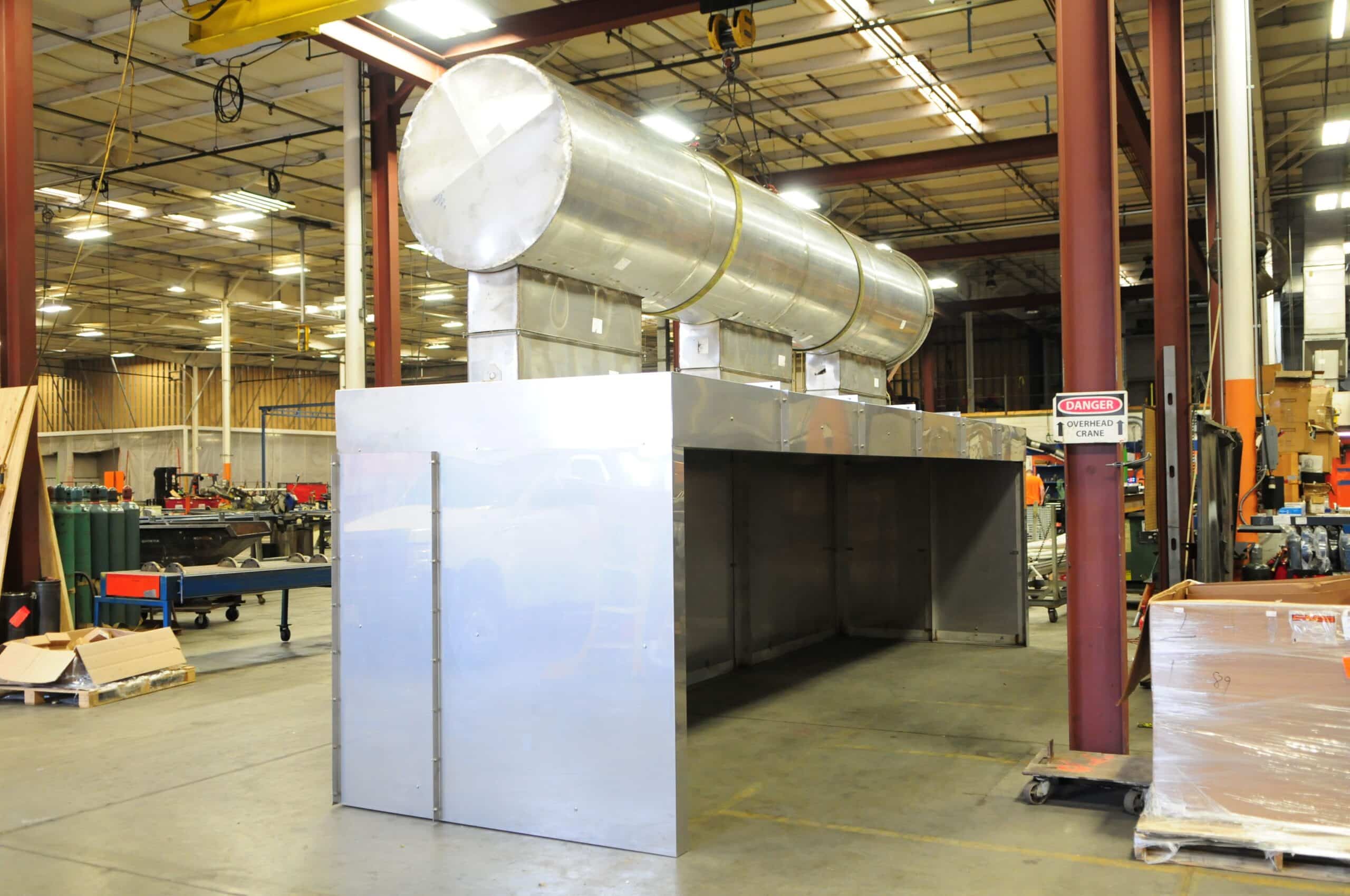
Sheet metal workers fabricate and install the ductwork and metal systems that make HVAC work. It is precise, print-driven work that blends shop fabrication with field installation.
The numbers
$60,850 / year
$29.26 / hour
About 10,600 openings per year nationally
Includes growth plus workers retiring or leaving the field
2% growth, 2024–2034
Slower than average growth; most openings come from workers retiring or changing fields
High school diploma or equivalent
No state license required; skill is proven through a 4–5 year apprenticeship and certifications.
Starting out
Construction sheet metal workers usually enter a 4–5 year apprenticeship and earn a raise at each step. Manufacturing roles often start with on-the-job training instead.
Lowest 10% earn under $38,030
Top of the trade
Top 10% earn over $102,680
Based on the national wage distribution for sheet metal workers.
Source occupation: Sheet metal workers. Wage figures are U.S. Bureau of Labor Statistics Occupational Outlook Handbook national data for May 2024. Job-opening and growth figures are BLS projections for 2024–2034. Pay in the Dallas–Fort Worth market varies by employer, union agreement and overtime.
The career path
Each step is a real milestone with a pay change attached to it. Nobody skips steps — but almost nobody takes longer than this either.
- 1
Apprentice / shop hand
Years 1–4Entry wage rising each program year
Learn layout, brake and shear work, hanging duct, and reading mechanical prints.
- 2
Journeyman sheet metal worker
After a 4–5 year programAround the median of $60,850
Fabricate and install independently, from fittings to full duct systems.
- 3
Test and balance / detailer
Years 5–8Above median with certification
Air and hydronic balancing, or CAD detailing of duct and pipe in coordination models.
- 4
Foreman, estimator or shop superintendent
8+ yearsTop of the range — the top 10% clear $102,680
Run crews, bid work, or manage a fabrication shop.
A normal day on the job
- Read mechanical prints and shop drawings
- Lay out, cut and form metal on a shear, brake or plasma table
- Assemble fittings and seal seams
- Hang duct, set diffusers and connect equipment
- Measure field conditions and adjust fabrication accordingly
- Insulate and seal to meet energy-code requirements
- Take airflow readings and correct problems
What you need to get in
- At least 18 years old for most apprenticeships
- High school diploma or GED
- Strong measurement and basic geometry skills
- Comfortable working at heights on lifts and ladders
- Careful hands — metal edges are unforgiving
- Drug screen and background check are standard
Licenses & certifications
In the trades, credentials are what move your pay. Here is the order most people collect them in.
OSHA 10 / OSHA 30
First monthsOSHA-authorized trainers
Standard requirement for commercial mechanical work.
Registered apprenticeship completion
Years 4–5SMART local or merit-shop sponsor
A nationally recognized journeyman credential.
TABB / ICB certification
Year 5+International Certification Board
Testing, adjusting and balancing certification — a well-paid specialty.
Welding certification
OptionalAWS or employer test
Stainless and aluminum welding adds value in specialty fabrication.
CAD / BIM detailing skills
Any stageSoftware training providers
Detailers who can model duct in coordination software are in short supply.
Licensing rules change and vary by state and city. Confirm current requirements with the licensing board or apprenticeship sponsor before you plan around them.
Specializations
You do not have to pick on day one, but knowing the branches helps you aim. The narrower specialties usually pay the most.
Commercial duct installation
Hanging and sealing large systems in new construction.
Shop fabrication
Cutting, forming and assembling fittings from prints.
Test and balance
Verifying airflow and system performance at commissioning.
Architectural sheet metal
Roofing, flashing and custom metal work.
Detailing / BIM
Modeling duct routes and clash detection before anything is built.
Your step-by-step action plan
Start at step one this week. You do not need money or a degree to begin — you need a safety card, a ride, and a list of employers to call.
- 1
Take geometry, drafting and shop classes
This trade lives on layout math and print reading more than most.
- 2
Get OSHA 10
It gets you onto commercial sites as a helper immediately.
- 3
Apply to a sheet metal apprenticeship or a mechanical contractor shop
Shop jobs are the most common entry point and let you learn fabrication first.
- 4
Search mechanical and HVAC employers on BlueBoard
Many DFW mechanical contractors run their own sheet metal shops and hire helpers year round.
- 5
Learn to read a full mechanical drawing set
Anyone who can find their own answers on the prints gets promoted fast.
- 6
Pick up CAD or BIM detailing on the side
Detailers are scarce and it is a path off the tools with no loss of pay.
- 7
Add test-and-balance certification
TABB work is specialized, indoor, and pays a premium over installation.