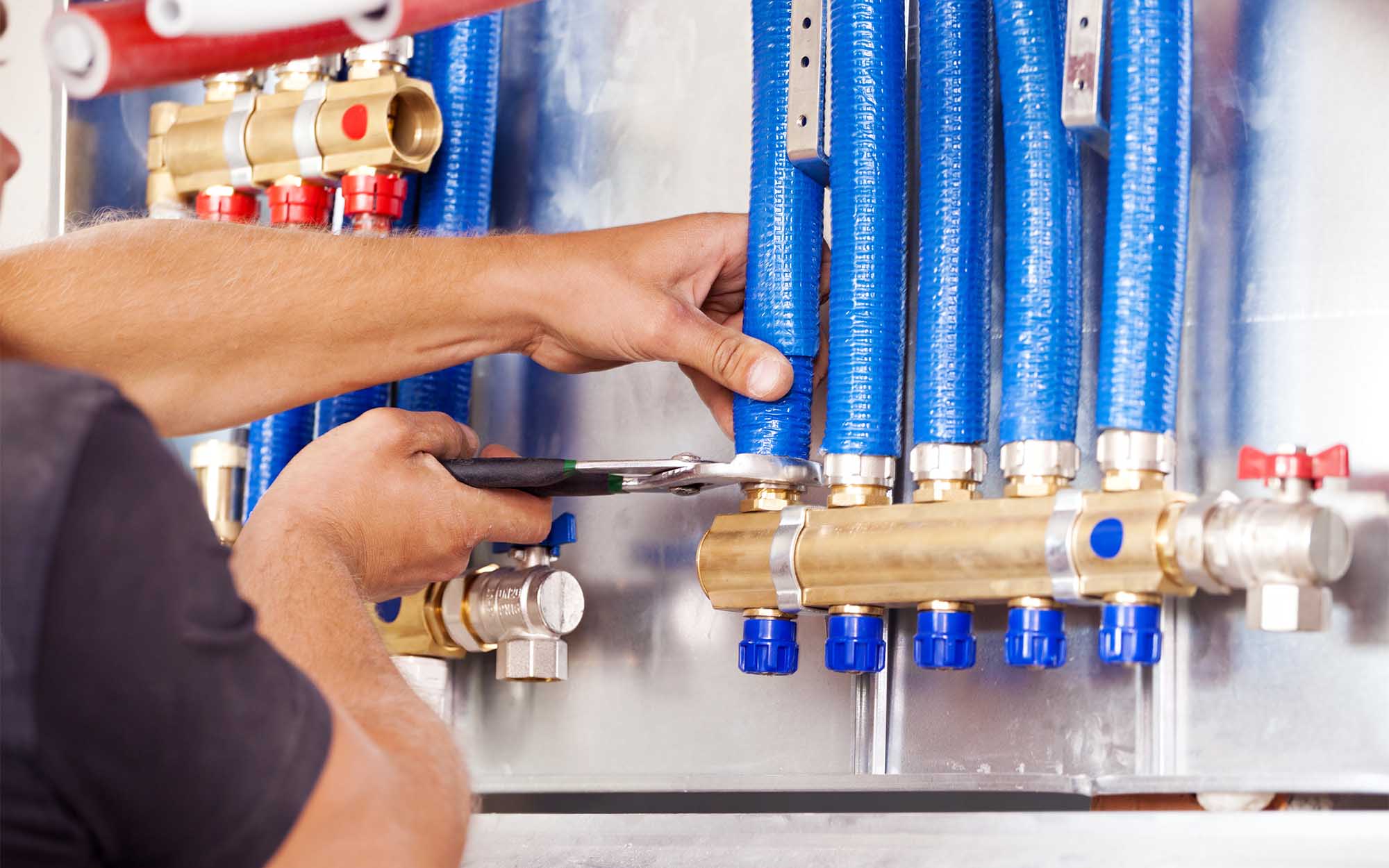
Become a Plumber or Pipefitter
Plumbers handle the water, gas and drainage systems in buildings. Pipefitters and steamfitters run high-pressure process piping in plants, refineries and data centers.
The numbers
$62,970 / year
$30.27 / hour
About 44,000 openings per year nationally
Includes growth plus workers retiring or leaving the field
4% growth, 2024–2034
About as fast as the average for all occupations
High school diploma or equivalent
Most states license plumbers. Texas licenses through the TSBPE.
Starting out
Apprentices are paid from the first day and step up with each year of training. Most states, including Texas, require 2–5 years of documented experience plus an exam before you can be licensed on your own.
Lowest 10% earn under $40,670
Top of the trade
Top 10% earn over $105,150
Based on the national wage distribution for plumbers, pipefitters and steamfitters.
Source occupation: Plumbers, pipefitters and steamfitters. Wage figures are U.S. Bureau of Labor Statistics Occupational Outlook Handbook national data for May 2024. Job-opening and growth figures are BLS projections for 2024–2034. Pay in the Dallas–Fort Worth market varies by employer, union agreement and overtime.
The career path
Each step is a real milestone with a pay change attached to it. Nobody skips steps — but almost nobody takes longer than this either.
- 1
Registered plumber apprentice
Years 1–4Entry wage that rises at each step of the program
Register with the state board, work under a licensed plumber, and attend required classroom hours.
- 2
Tradesman plumber-limited
About 4,000 hours in TexasAbove entry wage, licensed for residential work
An intermediate Texas license that lets you work on one- and two-family dwellings.
- 3
Journeyman plumber / pipefitter
About 8,000 hours plus examAround the national median of $62,970
You size and install systems on your own, read isometrics, and mentor apprentices.
- 4
Master plumber, foreman or service manager
Typically 1–4 years after journeymanTop of the range — the top 10% clear $105,150
Master license lets you pull permits and hold a contractor license; industrial fitters move into welding-certified or QC roles.
A normal day on the job
- Read plans and lay out pipe routes and fixture locations
- Cut, thread, solder, braze, glue or press pipe joints
- Install fixtures, water heaters, pumps and valves
- Set underground drain and vent lines before slabs are poured
- Pressure test systems and correct leaks
- Diagnose service calls and quote the repair
- Keep work to plumbing code and pass inspection
What you need to get in
- At least 18 years old for most programs
- High school diploma or GED
- Valid driver license — service work means driving a company truck
- Comfortable in crawl spaces, trenches and tight attics
- Basic math and measurement, including fractions
- Drug screen and background check are standard
Licenses & certifications
In the trades, credentials are what move your pay. Here is the order most people collect them in.
Plumber Apprentice registration
Day oneTexas State Board of Plumbing Examiners (TSBPE)
Required before you can work under a licensed plumber in Texas.
OSHA 10
First monthsOSHA-authorized trainers
Basic construction safety credential; commercial sites usually require it.
Tradesman Plumber-Limited license
After about 4,000 hoursTSBPE
Residential license that proves you are on the licensing track.
Journeyman Plumber license
After about 8,000 hoursTSBPE
Exam on the plumbing code. The main pay milestone in the trade.
Medical gas and backflow endorsements
After licensingTSBPE / ASSE
Add-on endorsements that open hospital work and testing work at higher rates.
Pipe welding qualification
Optional, industrial trackASME Section IX / employer test
A 6G pipe test qualifies you for refinery, power and process work.
Licensing rules change and vary by state and city. Confirm current requirements with the licensing board or apprenticeship sponsor before you plan around them.
Specializations
You do not have to pick on day one, but knowing the branches helps you aim. The narrower specialties usually pay the most.
Service and repair
Residential and commercial troubleshooting, drain cleaning, water heaters.
Commercial new construction
Underground, rough-in and trim on large buildings.
Industrial pipefitting
Process piping, steam and high-pressure systems in plants.
Data center mechanical piping
Chilled water and cooling loops — a growing DFW niche.
Medical gas
Oxygen and vacuum systems in hospitals; requires certification.
Your step-by-step action plan
Start at step one this week. You do not need money or a degree to begin — you need a safety card, a ride, and a list of employers to call.
- 1
Build the basics in school
Geometry, shop class and anything hands-on. Learn to read a tape measure to 1/16".
- 2
Get OSHA 10 and a clean driving record
Both are cheap, fast, and make you employable as a helper right away.
- 3
Register as an apprentice with the state board
In Texas the TSBPE registration is required before you log hours toward a license.
- 4
Choose service or construction
Service pays commission and teaches diagnostics; construction teaches volume installation. Try both as a helper if you can.
- 5
Apply to plumbing and mechanical employers on BlueBoard
Look for helper, apprentice and warehouse roles — warehouse is a common back door into a licensed program.
- 6
Track every hour you work
Keep your own log with dates, addresses and supervisor names. The board will ask.
- 7
Sit for the tradesman exam, then journeyman
Each license step is an immediate raise and makes you far harder to lay off.